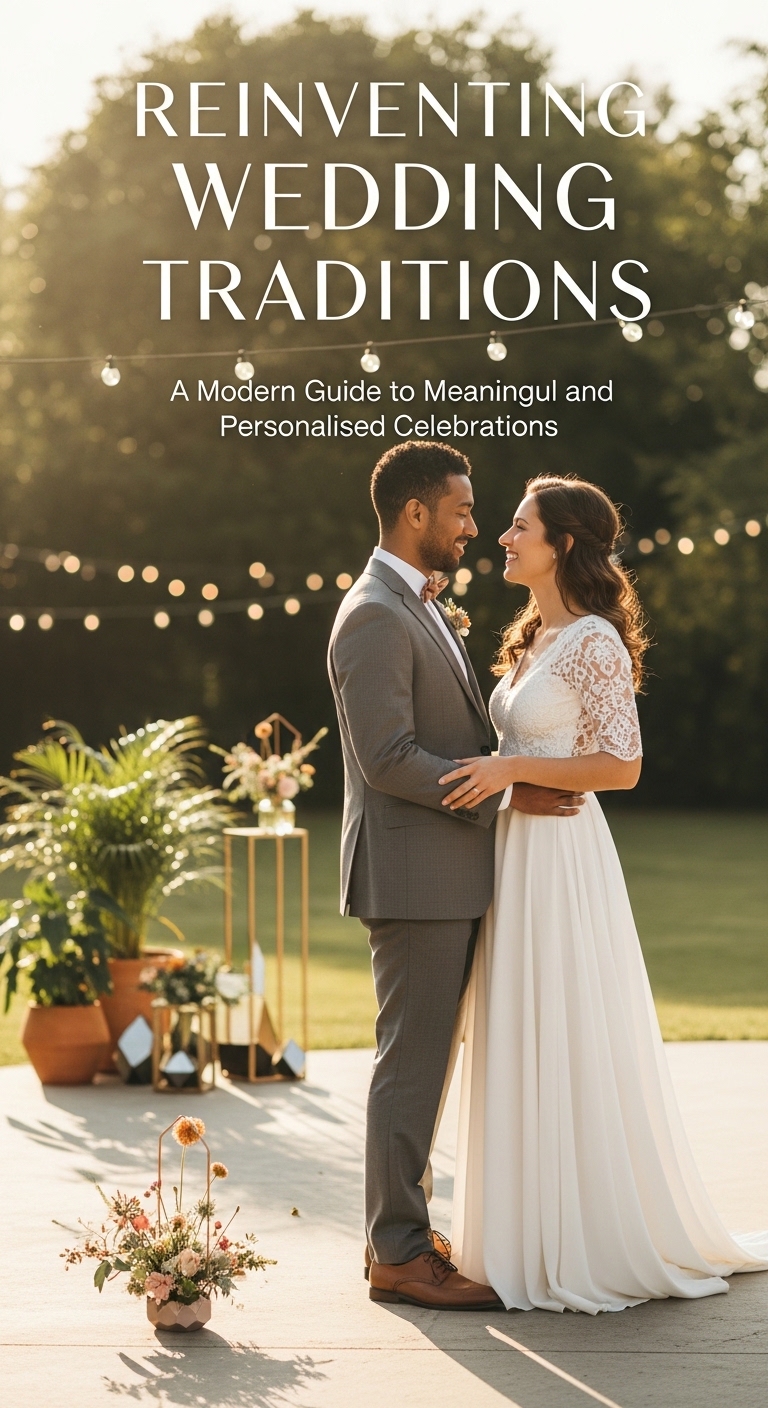
Weddings have always been rooted in tradition. From ceremonial rituals to family customs, every culture carries practices that symbolise unity, commitment, and celebration. But today’s couples are approaching marriage differently. Instead of following every rule, they are thoughtfully selecting what aligns with their values and reshaping what does not.
Reinventing wedding traditions does not mean rejecting culture. It means evolving it. Modern weddings blend heritage with personality, structure with creativity, and symbolism with authenticity. This shift reflects a broader change in how couples define love, partnership, and celebration.
In this guide, we explore why Reinventing Wedding Traditions is evolving, how couples are modernising their weddings, and practical steps to create a celebration that feels truly personal.
Why Reinventing Wedding Traditions Matters Today
Social norms, economic structures, and family expectations historically shaped cultural traditions. While many rituals remain meaningful, some practices may feel outdated or disconnected from modern lifestyles.
Today’s couples prioritise:
Personal identity
Shared decision-making
Inclusivity
Financial practicality
Emotional authenticity
As a result, weddings are becoming more intentional. Rather than following a checklist of expected rituals, couples ask a deeper question:
What truly represents us?
Reinventing wedding traditions allows couples to preserve meaning while adapting to contemporary realities.
The Shift Toward Personalised Wedding Ceremonies
One of the most visible changes is in the ceremony itself. Instead of standard scripts, couples are customising the structure and content of their vows.
Writing Personal Vows
Personal vows have become increasingly popular. They allow couples to express commitment in their own words rather than repeating traditional phrasing. This adds emotional depth and authenticity.
Blending Cultural Rituals
Intercultural marriages are also reshaping ceremonies. Couples combine elements from different backgrounds to honour both families. This may include merging religious customs or redesigning rituals to make them feel more inclusive.
Symbolic Unity Practices
Modern ceremonies often incorporate symbolic gestures such as:
Unity candle lighting
Sand blending ceremonies
Tree planting rituals
Ring warming traditions
These elements preserve symbolism while reflecting modern values.
Modern Wedding Venues That Break Convention
Traditional banquet halls are no longer the default choice. Couples nowprioritisee venues that reflect their lifestyle and relationship story.
Popular non-traditional venues include:
Beaches and coastal settings
Botanical gardens
Rooftop terraces
Mountain lodges
Art galleries
Private estates
The focus has shifted from formality to atmosphere. A venue is no longer just a location. It is part of the narrative.
Destination weddings have also grown in popularity, offering intimate experiences in meaningful locations.
Bridal and Groom Fashion in the Modern Era
Wedding fashion has undergone a significant transformation. While traditional attire remains important, customisation is becoming central.
Contemporary Bridal Styling
Brides are:
Mixing traditional fabrics with modern silhouettes
Choosing minimalist gowns over heavy embellishment
Wearing multiple outfits for different events
Incorporating cultural pieces in subtle ways
Groom Style Evolution
Grooms are moving beyond classic black suits. Modern trends include:
Textured fabrics
Colored tuxedos
Cultural attire with modern tailoring
Coordinated but non-matching ensembles
Fashion is now an expression of individuality rather than conformity.
The Rise of Micro Weddings and Intimate Celebrations
Large-scale weddings are being replaced by micro weddings in many regions. These celebrations typically include a smaller guest list, allowing couples to focus on quality interactions.
Benefits of micro weddings:
Reduced stress
Greater budget flexibility
More meaningful guest experiences
Personal attention to detail
Instead of impressing a crowd, couples prioritise creating lasting memories with close family and friends.
Redefining Wedding Rituals
Some traditions were originally shaped by societal structures that no longer apply today. Couples are now evaluating rituals carefully.
Examples of reinvention include:
Walking down the aisle together instead of separately
Skipping certain symbolic transfers
Sharing speeches equally
Including both families equally in rituals
This evolution promotes equality and shared responsibility.
Tradition becomes stronger when it adapts rather than disappears.
Experience-Focused Wedding Celebrations
Modern weddings are increasingly designed around guest experience. Couples aim to create immersive, memorable events.
Common experience-driven ideas
Interactive food stations
Live performers or cultural artists
Personalised welcome gifts
Themed décor storytelling
Digital memory sharing booths
Guests are no longer passive attendees. They are participants in a curated experience.
Sustainable and Ethical Wedding Choices
Another major shift is toward sustainability. Couples are becoming conscious of environmental impact.
Sustainable wedding practices include:
Digital invitations
Locally sourced catering
Reusable décor
Donating leftover food
Renting attire instead of purchasing
Reinventing wedding traditions now also includes redefining responsibility.
How to Reinvent Wedding Traditions Thoughtfully
Identify Meaningful Traditions
List the rituals that genuinely matter to you and your family.
Discuss Expectations Early
Open communication prevents misunderstandings later.
Prioritise Your Shared Values
Your wedding should reflect your partnership, not external pressure.
Balance Heritage and Innovation
Keep symbolic elements while redesigning the format if needed.
Focus on Emotional Impact
The most memorable weddings are those that feel sincere.
Reinvention works best when guided by respect and clarity.
FAQ
What does reinventing wedding traditions mean?
It means adapting established customs to reflect modern values, personal identity, and contemporary lifestyles while preserving emotional significance.
Is it disrespectful to change wedding traditions?
Not necessarily. When handled thoughtfully and communicated respectfully, adaptation can strengthen cultural meaning rather than weaken it.
Are modern weddings replacing traditional weddings?
Traditional weddings remain popular, but personalisation is increasing. Many couples choose a balanced approach.
How can families support modern wedding choices?
By focusing on shared values rather than rigid structure. Open dialogue creates understanding.
The Future of Weddings
Weddings will continue to evolve as society evolves. Inclusivity, sustainability, personalisation, and emotional authenticity are shaping the future of celebrations.
Reinventing wedding traditions is not about discarding the past. It is about honouring it in a way that feels relevant today. When couples intentionally design their celebration, they create not just an event, but a meaningful milestone.
Conclusion
Reinventing wedding traditions allows couples to celebrate love in ways that reflect who they truly are. By blending heritage with individuality, structure with creativity, and ritual with intention, modern weddings become deeply personal experiences.
Your wedding is not a performance. It reflects your journey. Choose what matters, reshape what does not, and create a celebration that feels authentic from beginning to end.